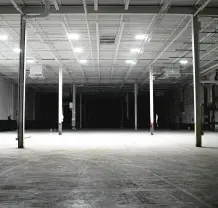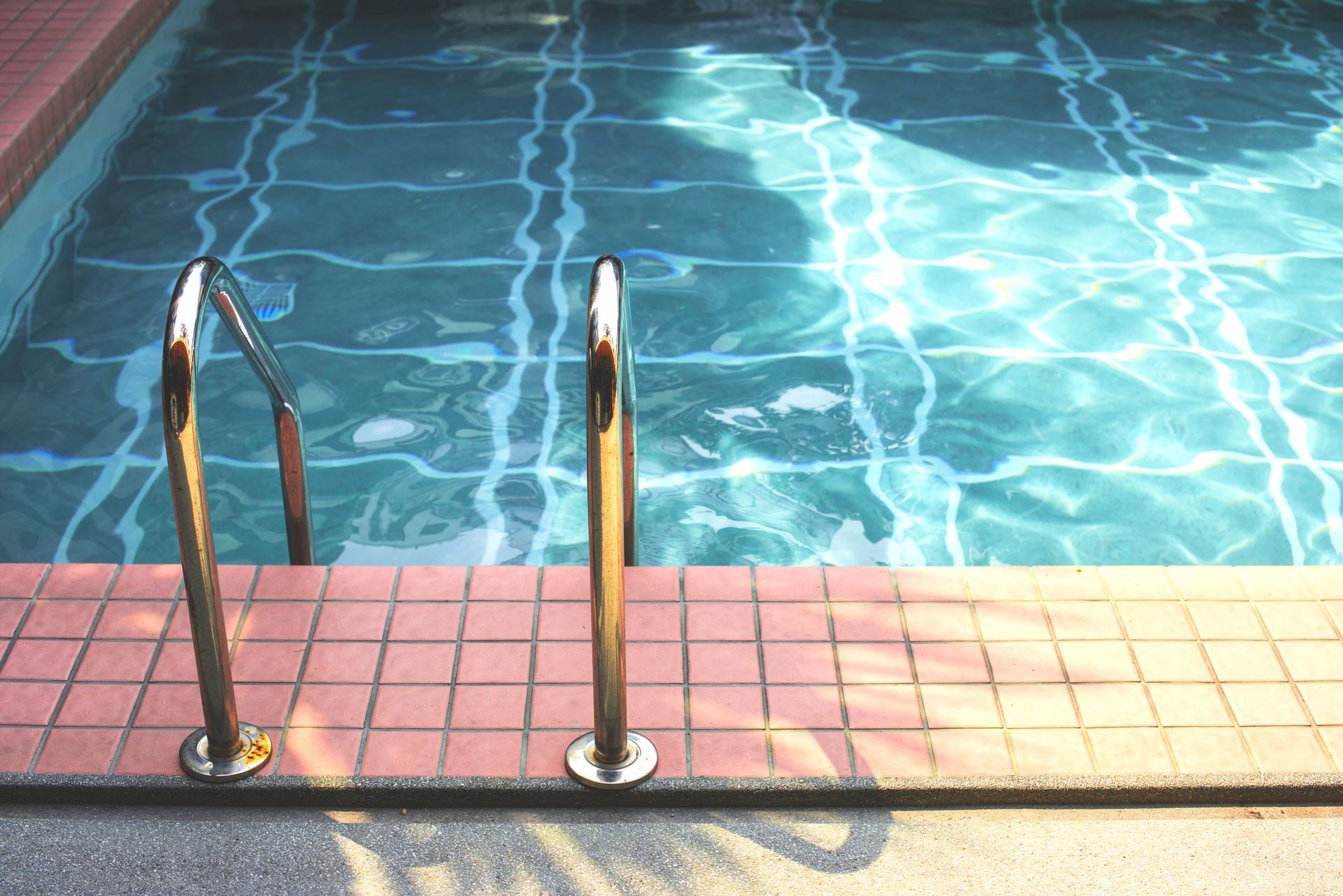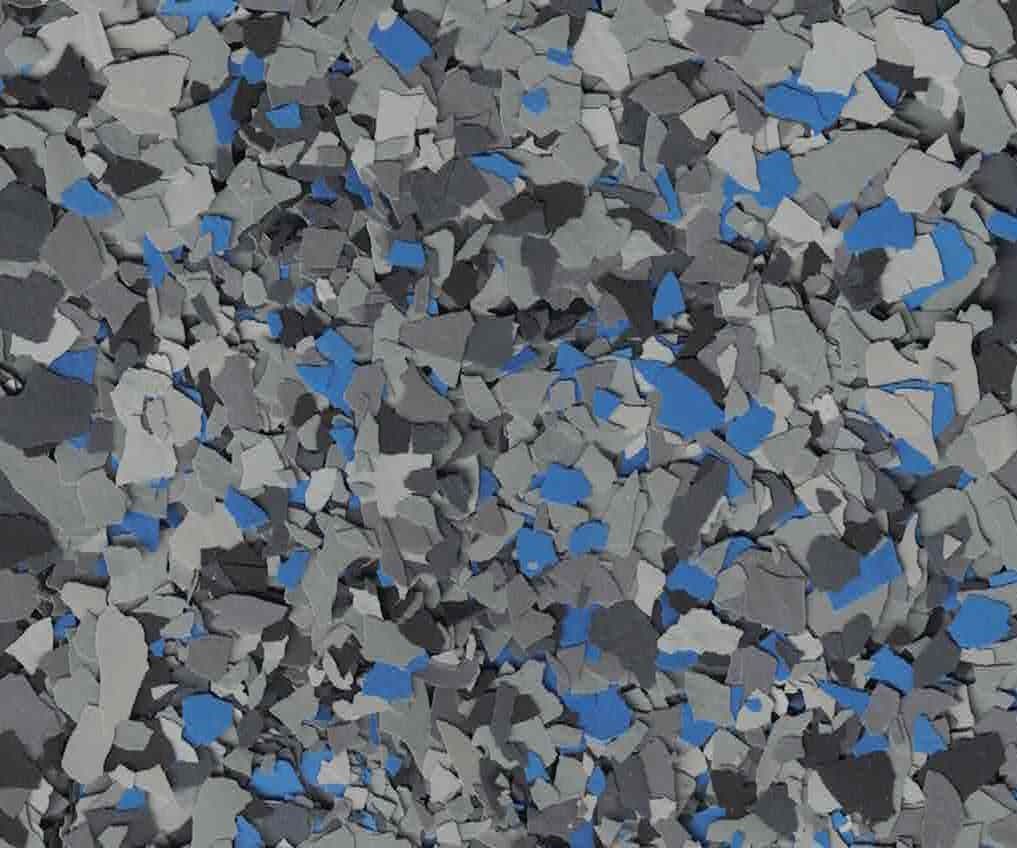


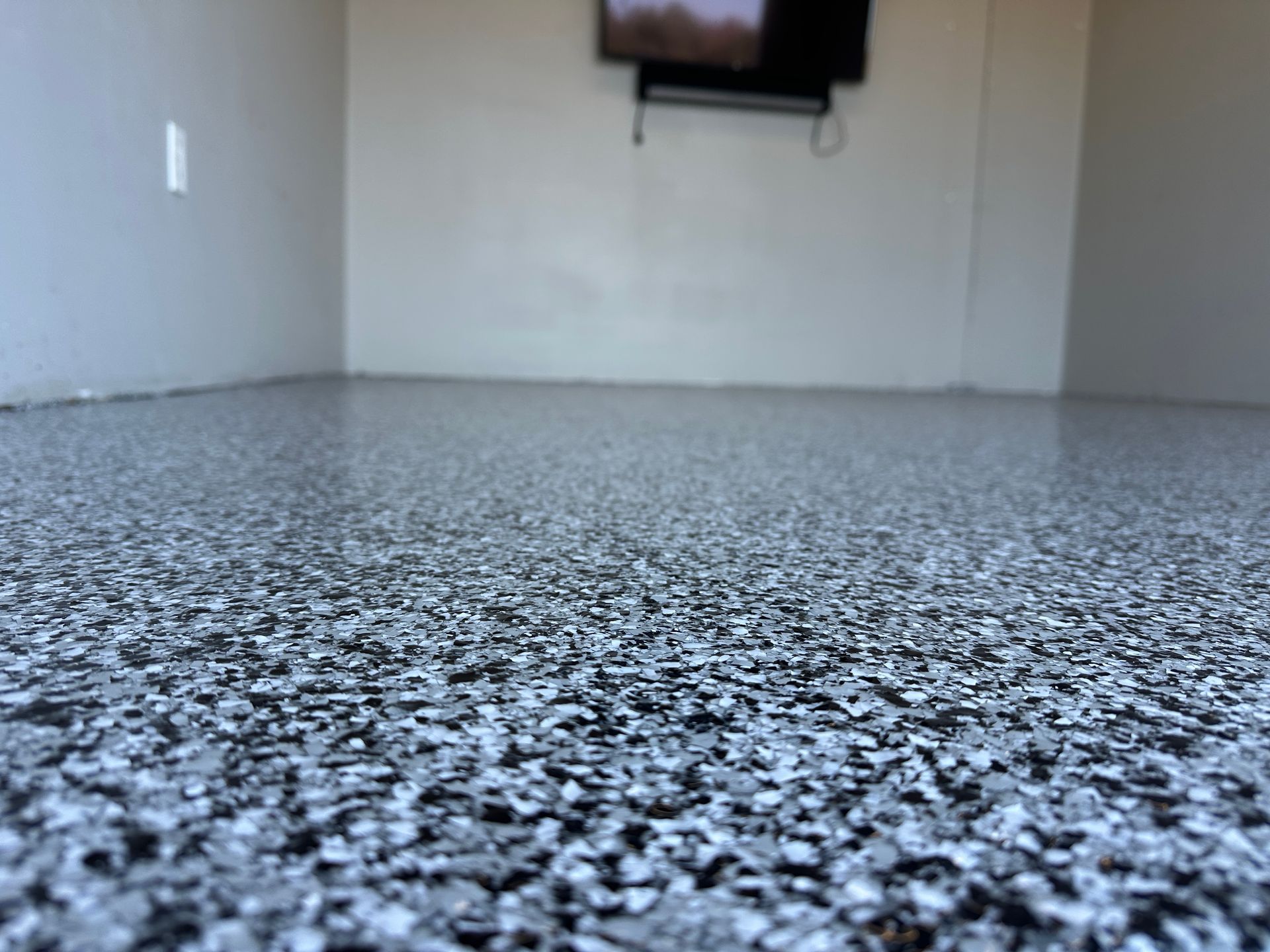
When it comes to protecting and upgrading concrete surfaces, polyurea and polyaspartic coating systems have become the gold standard for homeowners and businesses alike. If you're considering a concrete coating for your property in the Lake Norman area, understanding what makes these systems so effective can help you choose the right solution for your space. What Makes These Coatings Stand Out Polyurea and polyaspartic coatings are closely related chemistries, both known for their speed, strength, and versatility. Polyaspartic coatings are actually a type of polyurea, formulated to cure even more predictably and with better UV resistance, making them popular for decorative and high-traffic applications. Fast Curing Time One of the biggest advantages of these coatings is how quickly they cure, often within an hour or two, compared to the days required for traditional epoxy. This means less downtime for your garage, business, or outdoor space, and a faster path to enjoying your newly finished floor. Superior Durability These coatings are highly resistant to abrasion, impact, and chemical spills. They flex slightly with the concrete beneath them, which helps prevent the cracking and chipping that can plague more rigid coating systems over time. UV and Weather Resistance Unlike some traditional coatings that yellow or degrade in sunlight, polyaspartic formulas in particular hold their color and finish even with prolonged UV exposure. This makes them ideal for the sunny days and humid summers common around Lake Norman, as well as the occasional winter freeze. Low Maintenance Once installed, these coatings are easy to clean and maintain, resisting stains from oil, salt, and everyday grime. A simple sweep and occasional mop is often all that's needed to keep them looking new for years. Where to Use Polyurea and Polyaspartic Coatings The versatility of these coating systems means they can be used in a wide variety of settings: Garage Floors – Resist tire marks, oil stains, and heavy foot traffic while adding a polished, professional look. Commercial and Industrial Flooring – Warehouses, manufacturing facilities, and retail spaces benefit from the durability and fast turnaround. Pool Decks and Patios – UV stability and slip resistance make these coatings a smart choice for outdoor living spaces around the lake. Boat Docks and Marine Structures – With many homes near Lake Norman featuring docks and waterfront amenities, moisture and weather resistance is essential. Basements and Utility Rooms – Protect against moisture intrusion while brightening up often-overlooked spaces. Driveways and Walkways – Add curb appeal while protecting against cracking from temperature swings and heavy vehicle use. Choosing the Right System for Your Home Whether you're refreshing a garage, upgrading a patio, or protecting a commercial facility, a professionally applied concrete coating using polyurea or polyaspartic technology offers long-lasting performance and a beautiful finish. For homeowners and business owners in the Lake Norman region, these systems are especially well-suited to handle the area's humidity, seasonal temperature shifts, and luxury outdoor lifestyle. Investing in a high quality coating system today means fewer repairs, less maintenance, and a floor that stays looking great for years to come.